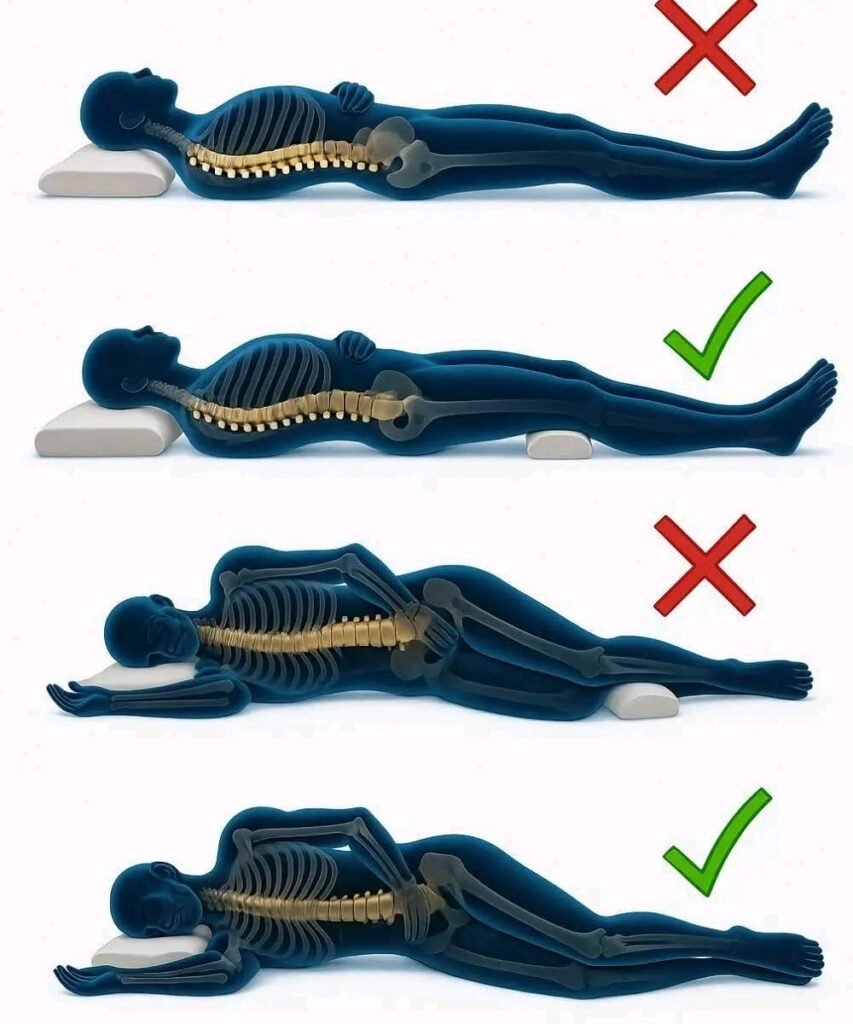
The Risks of Sleeping Improperly
Sleep is essential for our health and well-being. However, the way we sleep can significantly affect our sleep quality and, in the long run, our health. Below, we explore the possible consequences of sleeping in inadequate positions.
1. Back and Neck Pain
Sleeping in a position that does not provide good support to the spine can cause back and neck pain. For instance, sleeping face down can force the head to turn to one side, creating tension in the neck. Over time, this tension can lead to chronic issues.
2. Breathing Problems
Certain sleeping positions can restrict the airways. Sleeping on your back, for example, may cause the tongue and soft tissue in the throat to collapse, increasing the risk of sleep apnea. This condition not only interrupts sleep but can also have serious repercussions for cardiovascular health.
3. Stress and Anxiety
Poor sleep quality, often caused by an uncomfortable position, can contribute to increased stress and anxiety levels. Lack of restorative sleep affects cognitive function and mood, leading to greater emotional sensitivity and difficulty managing stress.
4. Circulation Problems
Sleeping in a position that compresses blood vessels can interfere with proper circulation. This is particularly important for those with pre-existing conditions like diabetes. Poor circulation can cause numbness and tingling in the extremities and, in severe cases, lead to more serious problems.
5. Gastroesophageal Reflux
Sleeping on your back or in certain positions can exacerbate gastroesophageal reflux. When the esophagus is not in the optimal position, stomach acids can return to the esophagus, causing discomfort and sleep disturbances.
Tips for Better Sleep Posture
1. Sleep on Your Side: This is generally considered the best position, especially with a pillow that maintains neck and head alignment.
2. Use Supportive Pillows: Ensure that your pillows provide good support for your neck and head, which can help prevent pain.
3. Avoid Sleeping Face Down: This position tends to strain the neck and does not provide good spinal support.
4. Maintain a Healthy Sleep Environment: Ensure your bedroom is dark, quiet, and at an appropriate temperature, which can help improve sleep quality.
Conclusion
The way we sleep has a significant impact on our physical and mental health. Being aware of this, we should pay attention to our sleeping positions and make the necessary adjustments to ensure good sleep quality. Investing in a good mattress and appropriate pillows, along with healthy sleep habits, can radically change our quality of life.
—